Prototype Validation, Revision Control & Production Launch Planning

Prototype and launch support are most effective when revision status, tooling direction, inspection planning, and production readiness remain aligned throughout development.

This guide focuses on the manufacturing and coordination questions that commonly surface between prototype activity and controlled production release.
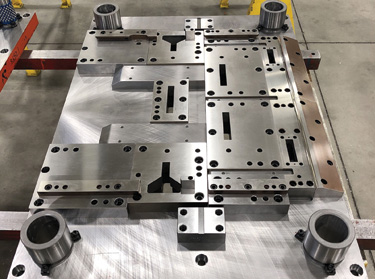
Manufacturing planning and engineering collaboration for formed components

Where Engineering Support Adds The Most Value Before Launch

Engineering support often matters most before prototype findings, tooling assumptions, revision updates, and validation requirements become locked into the production path.

At this stage, manufacturing coordination helps reduce downstream launch disruption and supports smoother transition into controlled production.

  • prototype intent vs. production intent
  • design revision control
  • timing to tooling commitment
  • inspection and validation needs
  • handoff into launch planning

Questions That Usually Need To Be Settled Before Launch
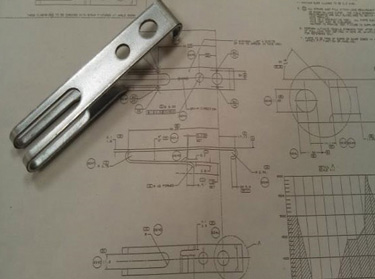
Engineering and design review support for precision metal components

Prototype activity is most valuable when the learning carries cleanly into tooling strategy, inspection planning, revision management, and production readiness.

Programs often need to clarify which dimensions remain flexible, what validation findings materially affect production, when revisions freeze, and how prototype assumptions translate into launch expectations.

  • prototype scope
  • critical design revisions
  • validation criteria
  • tooling readiness
  • inspection ownership

Prototype & Launch Review Topics

Programs move more cleanly when revision status, prototype intent, and production-intent assumptions remain clearly separated throughout development.

Engineering review may help identify which revisions materially affect tooling, inspection, assembly interaction, or launch timing before production release begins.

Prototype review should clarify what must be measured, what validation findings affect production readiness, and how inspection expectations carry forward into controlled launch planning.

The goal is to avoid disconnects between prototype approval and production capability expectations.

Engineering support is most effective when prototype findings, tooling assumptions, revision status, inspection planning, and documentation requirements transition cleanly into production launch activities.

Launch preparation should continue supporting repeatable long-term manufacturing rather than ending at prototype approval alone.

Common Questions About Prototype & Launch Planning

Can prototype review begin before the final timing is locked?

Yes. Early review is often the right time to surface revision, tooling, and validation questions before the launch window tightens.

Does engineering support continue after prototype work starts?

It can. The most valuable support often continues through revision review, manufacturability updates, and launch-planning coordination.

What helps a prototype discussion move faster?

The current drawing or model, revision status, desired timing, validation intent, and known production concerns usually provide the right starting point.