Engineering Support For Formed Metal Components

Four-Slide Technology provides engineering and design support for clips, clamps, brackets, wire forms, flat stampings, and custom formed metal components.

Review is tied to manufacturability, tooling strategy, material behavior, assembly interaction, and long-term production requirements rather than isolated design refinement.
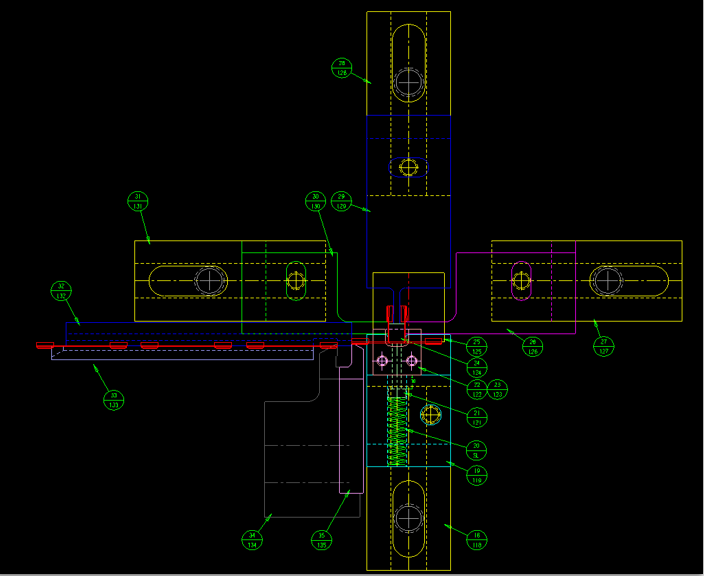
Engineering and design review support for precision metal components

Engineering Support Tied To Production Requirements

Engineering support is most effective when design decisions stay connected to tooling, forming, assembly interaction, and production performance.

Programs are commonly reviewed around geometry simplification, packaging constraints, mounting conditions, material behavior, forming limitations, secondary operations, and repeatable production requirements.

  • Mounting conditions
  • Routing paths
  • Retention requirements
  • Assembly access
  • Serviceability
  • Material behavior
  • Forming limitations
  • Secondary operation requirements

Geometry, Manufacturability & Production Alignment
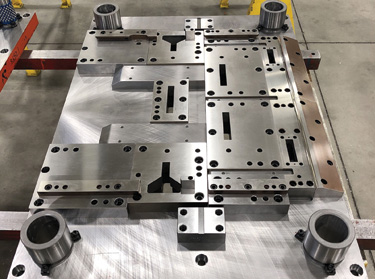
Manufacturing planning and engineering collaboration for formed components

Engineering review may begin with CAD models, production drawings, assemblies, reference components, or prototype samples depending on the stage of the program.

Review typically focuses on manufacturability, forming approach, material thickness, temper considerations, assembly interaction, tooling practicality, and long-term production feasibility.

Engineering & Manufacturing Review Priorities

Prototype and pre-production work may include geometry evaluation, assembly verification, packaging review, spring-force evaluation, manufacturability adjustments, and tooling refinement before production tooling is finalized.

For deeper launch-specific guidance, see the Prototype & Launch Planning guide.

Engineering review may include common 2D and 3D CAD formats, assemblies, drawings, reference parts, and manufacturing documentation used throughout transportation and industrial manufacturing environments.

The objective is to improve collaboration speed and reduce delays during early manufacturability review.

Engineering support focuses on practical manufacturability rather than theoretical design refinement alone.

For more detail on how engineering support carries through an active program, see the Program Support Guide.

Tooling collaboration remains connected to engineering review throughout prototype development, process refinement, launch planning, and long-term production support.

This helps carry manufacturing decisions forward into tooling strategy and repeatable production processes.

Programs may include feasibility review, APQP planning, control plans, PPAP documentation, dimensional validation, first article inspection, and production-launch coordination where required.

Quality planning supports repeatable production and stable long-term manufacturing continuity.

Common Questions About Engineering Support

Can engineering support begin before a design is finalized?

Yes. Early collaboration often helps identify manufacturability concerns, packaging constraints, material considerations, or tooling opportunities before production investment begins.

What file formats can be reviewed?

Many common 2D and 3D CAD file types, drawings, assemblies, and engineering formats can typically be evaluated during review.

Can prototype parts be produced before full production tooling?

Depending on the application and requirements, prototype and pre-production support may be available to validate fit, function, and manufacturability.

Does engineering review include manufacturability feedback?

Yes. Manufacturability review is a central part of the engineering support process and may include recommendations related to geometry, forming, tooling, materials, or assembly efficiency.

Discuss A Part Or Production Requirement

Send drawings, CAD models, concepts, or application details to begin a manufacturability and engineering review.