Practical Answers For Buyers, Engineers & Manufacturing Teams

The questions on this page reflect the manufacturing, quoting, process-fit, tooling, launch, and supplier-review discussions that commonly happen before a production program moves into formal review.

Some teams are evaluating whether the geometry fits four-slide manufacturing. Others are preparing drawings, timing, tooling assumptions, quality requirements, or launch expectations before requesting a quote.
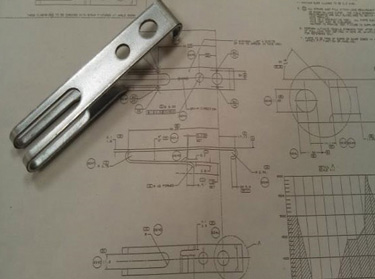
Engineering and buyer review support for custom formed metal components

What Most Teams Are Trying To Clarify

Most early-stage questions involve both manufacturing and commercial considerations. Buyers and engineers are usually trying to determine whether the part fits the likely process path, whether the supplier can support the program requirements, and what information is needed before moving into a structured review.

The objective is reducing unnecessary back-and-forth while helping the program move into the appropriate next step.

  • Whether the part looks like a strong four-slide candidate
  • What drawings, quantities, or timing information help the review move faster
  • How prototypes, tooling, and launch support fit into the process
  • What quality or supplier-documentation expectations can be discussed early
  • When a general contact conversation is enough versus when an RFQ should be submitted

A Simple Manufacturing Review Framework

  1. 1
    Clarify what the component must actually do inside the assembly, not only what appears on the print.
  2. 2
    Identify what is already known about geometry, material, production timing, annual volume, installation conditions, and downstream manufacturing requirements.
  3. 3
    Determine whether the next step should be additional process-fit review, a capability discussion, or a structured RFQ submission with drawings and production details.

Frequently Asked Questions

What information is needed to review a part?

Drawings, CAD models, annual volumes, material assumptions, application context, installation conditions, and timing expectations all help move the review forward more efficiently.

If some information is still unknown, the best available manufacturing context is still useful for early review.

When should the RFQ page be used instead of the contact page?

The RFQ path is usually appropriate when the review should include drawings, annual volume, timing, tooling assumptions, material requirements, or production-specific manufacturing details.

The general contact path is better suited for broader exploratory discussions before the manufacturing review is fully defined.

Can engineering review begin before the final design is complete?

Yes. Early review often focuses on manufacturability, geometry direction, tooling practicality, material behavior, assembly interaction, packaging constraints, and whether the application aligns with the likely production path.

Engineering review before final release can help reduce downstream tooling and launch disruption.

Does Four-Slide Technology support prototypes as well as production?

Depending on the application, support may begin during concept review or prototype development and continue into tooling refinement, inspection planning, validation, launch coordination, and long-term production manufacturing.

Prototype and launch support are commonly tied together throughout the development process.

Need A Direct Review?

If the program is active, use the RFQ path so drawings, quantities, and timing can be reviewed directly.