Is My Part A Good Fit For Four-Slide?
- Home
- FIT GUIDE
A Practical Fit Check For Four-Slide Manufacturing
Teams often begin evaluating four-slide manufacturing when part geometry, formed features, tooling complexity, or downstream handling requirements start making other manufacturing paths less efficient.
This guide is intended to help engineering, purchasing, and program teams recognize the characteristics that commonly point toward a strong four-slide manufacturing discussion before moving into formal quote review.
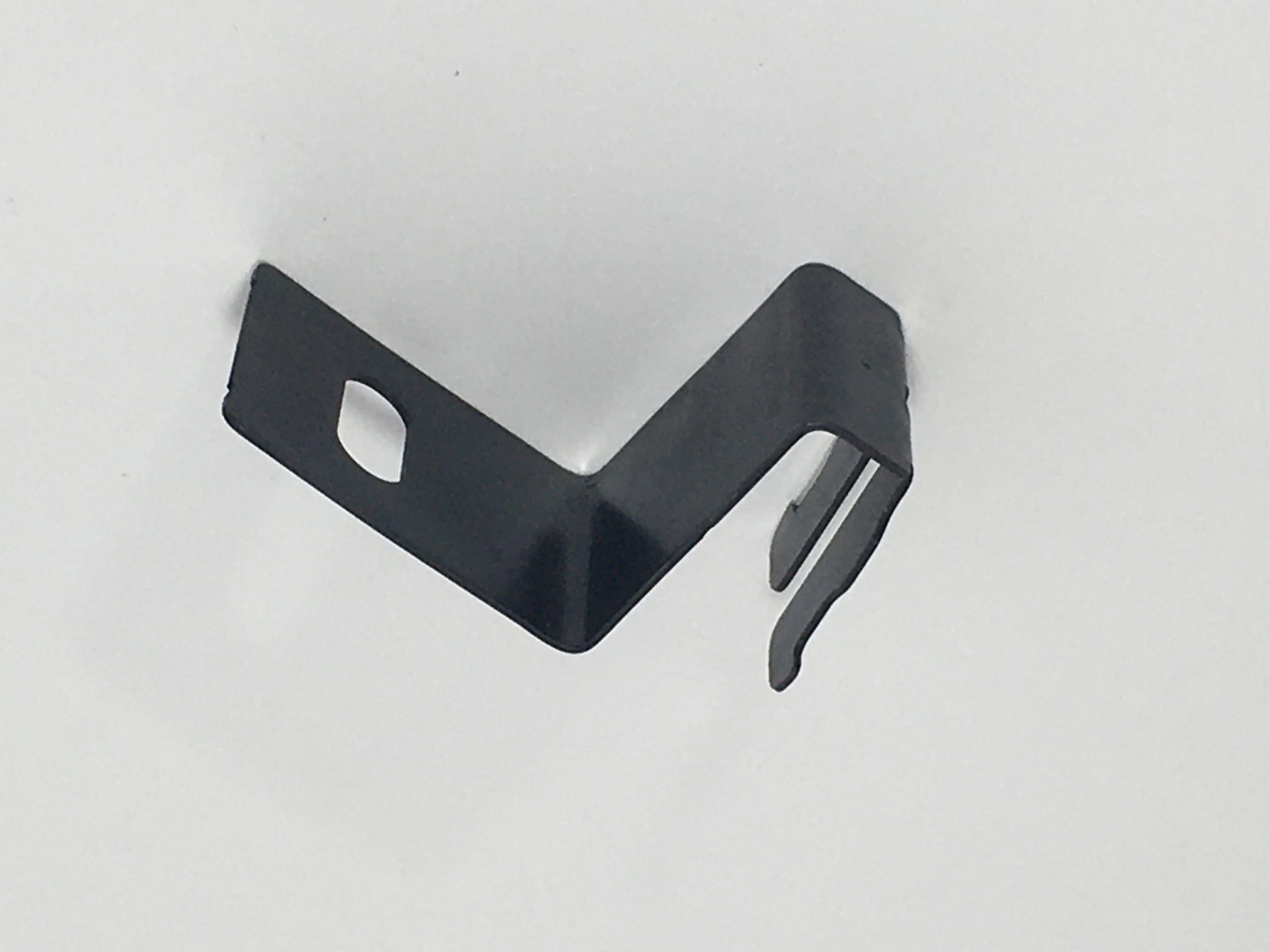
Signs The Part May Be A Strong Four-Slide Candidate
Compact Formed Geometry
The part includes multiple bends, wrapped features, spring geometry, compact formed conditions, or controlled shapes that benefit from multi-directional forming.
Application-Specific Function
The component performs a defined assembly function such as routing, retention, positioning, spring action, mounting, shielding, or controlled interface behavior rather than acting as a simple flat blank.
Need For Process Integration
Tooling strategy, secondary operations, assembly integration, inspection planning, and production repeatability all need to be reviewed together rather than treated as isolated manufacturing decisions.
Part Of A Longer-Term Program
The application requires a stable manufacturing path capable of supporting prototype review, tooling refinement, production launch, revisions, and repeatable long-term manufacturing.
Questions That Usually Clarify Process Fit
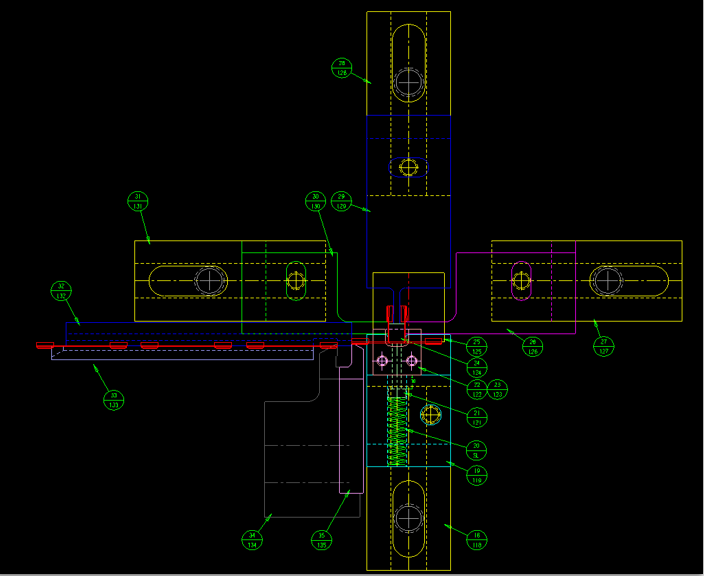
A few practical manufacturing questions usually help narrow the process-fit discussion quickly. The objective is understanding how the component behaves in the assembly, what the geometry requires, and how the manufacturing path must support long-term production.
Perfect information is not always necessary early in development. The best available geometry, assembly, and production context is usually enough to begin meaningful review.
- Does the part include formed details that are difficult to achieve in a simple one-direction process?
- Is the material already defined, or is material selection still part of the engineering review?
- What tolerance, retention, or performance expectations matter most in the final assembly?
- Is the program in concept review, prototype development, or active production timing?
- Will the finished component require secondary operations, joining, or packaging support?
When The Right Answer Is Usually “Let’s Review The Application”
Not every part fits cleanly into a simple checklist. Some applications depend on geometry interaction, material behavior, spring response, assembly conditions, tooling practicality, or downstream manufacturing requirements that only become clear during direct review.
In those situations, reviewing the actual application is usually more useful than trying to force a simplified process-fit decision too early.
- Still-developing geometry or incomplete CAD models
- Material or finish decisions that may affect manufacturability
- Conflicting requirements around tolerances, speed, or installation constraints
- Programs where secondary operations heavily affect total manufacturing cost
Where Teams Usually Go Next
After the initial fit discussion, most teams move into either process comparison, capability review, prototype planning, or structured RFQ preparation depending on how mature the manufacturing program already is.
- Four-slide versus progressive-die comparison
- Capability and manufacturability review
- Prototype and launch planning
- Tooling and production discussion
- Structured RFQ submission
Related Manufacturing Guides
Ready For A Direct Review?
Use the RFQ form when you want our team to evaluate the actual part and project requirements.