Four-Slide vs. Progressive Die
- Home
- PROCESS COMPARISON
Comparing Manufacturing Paths For Formed Metal Components
Buyers and engineers often compare four-slide stamping against progressive-die and other press-based manufacturing approaches when evaluating formed metal component programs.
The strongest manufacturing path depends on geometry complexity, material behavior, tooling practicality, production volume, formed features, downstream handling, and long-term production requirements rather than any single process preference.
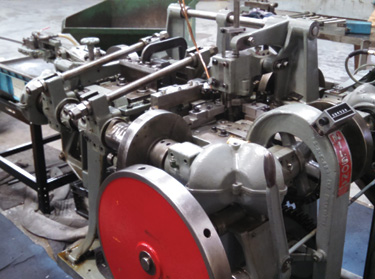
How Manufacturing Teams Usually Frame The Comparison
Part Geometry
Four-slide manufacturing is often reviewed when the component includes multiple bends, wrapped features, spring geometry, or formed conditions requiring controlled multi-directional forming.
Tooling Strategy
Tooling strategy often depends on geometry progression, revision flexibility, feature access, manufacturability, and how the tooling path aligns with long-term production stability.
Production Fit
Production review typically considers geometry repeatability, production volume, inspection requirements, process stability, and how the part behaves during long-run manufacturing.
Secondary Operations
The manufacturing comparison should also consider secondary operations, assembly integration, downstream handling, packaging, and the broader production workflow rather than only the primary forming step.
What Usually Needs To Be Reviewed Before Recommending A Process
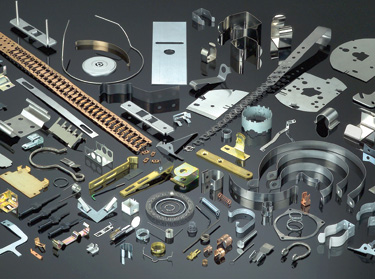
The manufacturing decision usually becomes clearer once geometry, formed features, material behavior, tolerance expectations, production volume, tooling direction, and assembly interaction are reviewed together.
Simplistic comparisons rarely reflect real manufacturing programs. The strongest process path depends on how the component must actually perform throughout production and long-term use.
- How the part functions in the final assembly
- Whether the geometry requires controlled multi-directional forming
- Material characteristics and finish or compliance needs
- Expected production volumes and launch timing
- Whether secondary operations or assemblies are part of the finished requirement
Why The Manufacturing Path Matters Commercially
The manufacturing decision affects much more than the initial tooling quote. Process fit may influence scrap, revision flexibility, secondary operations, launch timing, handling complexity, inspection planning, and long-term production stability.
The objective is selecting a manufacturing path that supports total program performance rather than optimizing only the initial production step.
- Better process-fit decisions may reduce late-stage tooling changes and avoidable manufacturing disruption
- A stronger manufacturing match may improve geometry repeatability and downstream production efficiency
- Early supplier review often clarifies what engineering or production details still need refinement before launch
Where Teams Usually Go Next
After the initial manufacturing comparison, most teams move into either process-fit screening, capability review, prototype planning, or structured RFQ preparation depending on how mature the program already is.
- Four-slide process-fit review
- Prototype and launch planning
- Manufacturing capability review
- Tooling and production discussion
- Structured RFQ submission
Related Manufacturing Guides
Ready To Review The Actual Part?
If the application is active, send the project through the RFQ form and we will review the right next step.