Where Material Decisions Start Affecting The Production Path

Material decisions become increasingly important once manufacturability, sourcing continuity, finish coordination, compliance requirements, and long-term production stability begin shaping the manufacturing path.

This guide focuses on how material selection carries through tooling, validation, production planning, and repeat manufacturing support.
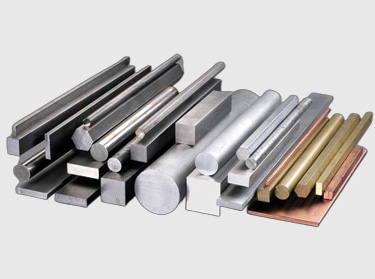
Material sourcing and alloy selection support for formed components

Where Material Support Usually Enters The Program

Material review often becomes more critical once geometry, durability requirements, finish coordination, sourcing continuity, and production expectations begin affecting manufacturability and tooling direction.

At this stage, the program may require coordination around compliance expectations, traceability, coating interaction, material behavior, and long-term sourcing stability.

  • Packaging constraints
  • Operating environment
  • Electrical requirements
  • Vibration exposure
  • Serviceability
  • Coating requirements
  • Regulatory expectations

Questions That Usually Need To Be Clarified Before Production Commitment
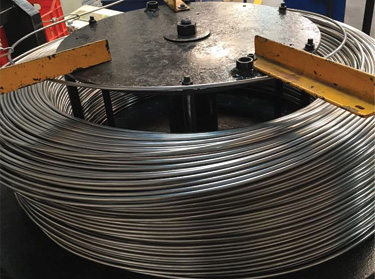
Material and finish planning for metal component production

As manufacturing programs mature, material review often shifts from broad alloy selection into more detailed questions involving springback behavior, coating compatibility, sourcing continuity, certification expectations, conductivity, corrosion resistance, and downstream assembly interaction.

Programs may also require coordination around approved sources, traceability, inspection expectations, and long-term production availability.

  • Common Material Categories
  • Plating, Coatings & Heat Treatment
  • Manufacturability Considerations
  • Traceability & Compliance
  • Material Review During Development

Material & Sourcing Review Topics

Programs may involve carbon steels, spring steels, stainless steels, copper alloys, aluminum, and specialty materials depending on geometry, environmental exposure, conductivity, manufacturability, and long-term durability requirements.

Material selection is typically reviewed together with tooling practicality and repeatable production expectations.

Finish coordination may involve plating systems, coatings, conductive finishes, corrosion-resistant treatments, or heat treatment depending on the application requirements.

These decisions often affect sourcing strategy, tooling interaction, manufacturability, and long-term production performance.

Material thickness, temper, grain direction, springback, weldability, and coating compatibility all affect forming behavior and production stability.

Manufacturability review helps confirm that the selected material remains practical throughout tooling and production.

Common Questions About Material Program Support

What materials are commonly used for four-slide and stamped components?

Programs may utilize carbon steels, spring steels, stainless steels, copper alloys, aluminum, and specialty materials depending on application requirements and manufacturing considerations.

Can material recommendations be provided during engineering review?

Yes. Material selection may be reviewed during engineering and manufacturability evaluation based on performance requirements, geometry, durability, conductivity, and production objectives.

Are plating and coating options available?

Yes. Depending on the application, programs may support zinc plating, coatings, e-coat, conductive finishes, corrosion-resistant treatments, and customer-specified surface finishes.