Secondary Operations & Assemblies Program Support Guide
- Home
- Capabilities
- Secondary Operations & Assemblies
- Program Support Guide
Where Secondary Operations Start Affecting Production Flow
Secondary operations and assembly integration become increasingly important once production flow, downstream handling, packaging coordination, and installation efficiency begin shaping the manufacturing path.
This guide focuses on how assembly operations, hardware integration, welding, and production coordination support stable long-term manufacturing.
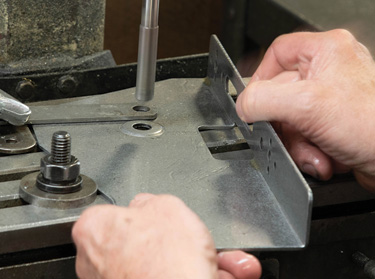
Where Assembly Support Usually Enters The Program
Assembly support often becomes more important once the program moves beyond individual formed components and into integrated production workflows involving hardware insertion, welding, packaging, or downstream assembly interaction.
At this stage, the review process may involve fixture planning, inspection coordination, assembly sequencing, packaging requirements, and repeatable production support.
- Assembly integration
- Mounting features
- Threaded hardware
- Welded structures
- Dimensional refinement
- Functional subassemblies
Questions That Usually Need To Be Clarified Before Production Release
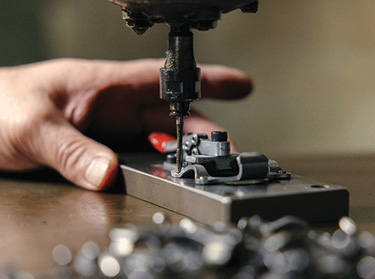
As manufacturing programs mature, assembly review often shifts from basic operation selection into more detailed questions involving weld coordination, fixture stability, hardware insertion, packaging flow, inspection ownership, and downstream production interaction.
Programs may also require coordination around line-side delivery, customer-specific packaging, production sequencing, and repeat manufacturing continuity.
- Secondary Forming & Press Operations
- Welded Assemblies & Attached Hardware
- Manual & Automated Assembly Methods
- Packaging, Kitting & Sequencing
- Inspection & Verification
Assembly & Production Support Topics
Secondary operations may include welding, tapping, insertion, fastening, staking, trimming, piercing, and related manufacturing operations supporting the final assembly path.
The review process helps confirm that these operations remain repeatable and aligned with long-term production requirements.
Assembly integration may involve fixture coordination, weld sequencing, hardware alignment, packaging interaction, and downstream installation requirements.
The objective is supporting stable assembly flow and repeatable production performance.
Packaging strategy may include kitting, line-side delivery, labeling, sequencing, container requirements, or customer-specific handling expectations.
These requirements often affect downstream production efficiency and manufacturing continuity.
Common Questions About Assembly & Program Support
Yes. Depending on the application, secondary forming, welding, fastening, trimming, tapping, and assembly operations may be integrated into the broader production workflow.
Programs may include welded assemblies, hardware-integrated components, formed subassemblies, threaded components, and customer-specific packaged assemblies.
Yes. Packaging, sequencing, kitting, and assembly preparation may be configured to support downstream production or line-side use.
Assembly Support Guides
Need To Review Secondary Operations?
Send the assembly flow, secondary-operation needs, and production context so the support path can be reviewed directly.