Where Tooling Decisions Start Affecting Long-Term Production Stability

Tooling support becomes increasingly important once revision timing, maintenance response, geometry stability, and production continuity begin shaping the manufacturing path.

This guide focuses on how tooling support remains connected to engineering, manufacturing, inspection, and long-term production requirements throughout the life of the program.
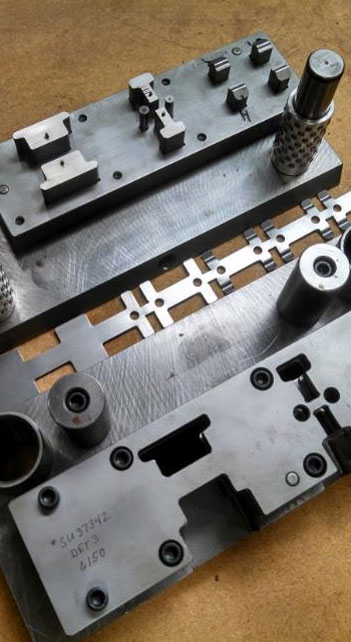
In-house tooling and tool-room support for manufacturing programs

Where Tooling Support Usually Enters The Program

Tooling review often becomes more critical once geometry revisions, tolerance adjustments, process refinement, maintenance planning, and production stability begin affecting the manufacturing program.

At this stage, the review process may involve tooling continuity, revision coordination, maintenance planning, validation support, and long-term manufacturing alignment.

  • Geometry changes occur
  • Tolerances are adjusted
  • Forming sequences are refined
  • Tooling wear develops
  • Assembly requirements evolve
  • Production improvements are identified

Questions That Usually Need To Be Clarified Before Production Commitment
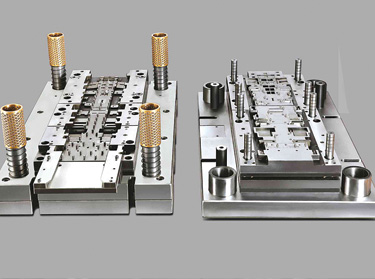
Tooling development and maintenance support for precision metal components

As manufacturing programs mature, tooling review often shifts from broad manufacturability discussion into more detailed questions involving revision management, tooling wear, maintenance timing, validation support, geometry stability, and production continuity.

Programs may also require coordination around prototype tooling, production tooling, process refinement, documentation expectations, and long-term manufacturing support.

  • Tool Design & Build
  • Prototype Through Production Tooling
  • Engineering Revision Support
  • Preventive Maintenance & Repair
  • Documentation & Traceability

Tooling & Production Support Topics

In-house tooling support includes design, build, maintenance, repair, and refinement for four-slide forming, stamping, secondary operations, and assembly-related manufacturing support.

The review process helps maintain tooling practicality and production continuity throughout the manufacturing lifecycle.

Tooling continuity may span prototype, bridge, and production phases so manufacturability learning, geometry refinements, and production adjustments remain connected.

Maintaining continuity across tooling phases helps reduce avoidable delays and preserve production alignment.

Internal tooling responsiveness helps support geometry revisions, tolerance updates, process refinement, and continuous-improvement opportunities throughout development and production.

Engineering changes may be evaluated and incorporated more efficiently when tooling support remains connected internally.

Common Questions About Tooling Program Support

Does Four-Slide Technology build tooling internally?

Yes. Tooling design, build, maintenance, repair, and refinement are supported internally through our in-house tool room and tooling team.

Can existing tooling be modified or updated?

Depending on the application and tooling condition, modifications, engineering revisions, and tooling updates may be evaluated and supported internally.

Does tooling support include prototype programs?

Yes. Prototype tooling, bridge tooling, and production tooling may all be supported depending on the program requirements.

Tooling Support Guides

Need To Review Tooling Strategy?

Send the geometry, revision status, and production concerns so the tooling path can be reviewed directly.