Assemblies Applications & Design Considerations
- Home
- Products
- Assemblies & Value Added Operations
- Applications & Design Considerations
Where Assembly Programs Need More Integration Detail
Assembly programs often require more integration detail once part interaction, fixture alignment, joining sequence, packaging flow, and line-ready expectations begin shaping the manufacturing path.
This guide focuses on the production and integration questions that commonly affect assembly manufacturability and quote review.
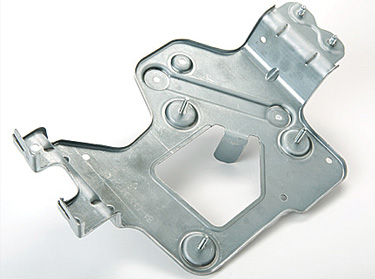
Where Assemblies & Value Added Operations Commonly Fit
Assemblies and value-added operations are commonly used where multiple formed components, fastening operations, or manufacturing steps can be integrated upstream before final installation.
Programs may support welded subassemblies, routing systems, mounting assemblies, hardware-integrated brackets, line-ready kits, or sequenced production hardware.
- Welded subassemblies
- Hardware-integrated brackets
- Tapped components
- Fixture-based assemblies
- Routing assemblies
- Mounting systems
- Line-ready component kits
- Sequenced production hardware
What Engineers Usually Need To Confirm During Review
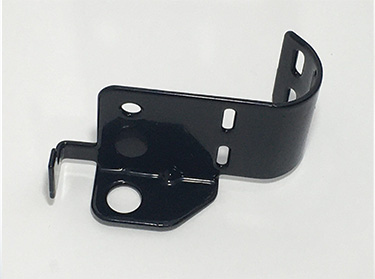
Assembly review often focuses on joining method, fixture stability, hardware integration, alignment control, packaging interaction, downstream installation behavior, and repeatable production requirements.
The manufacturing path may also involve inspection planning, sequencing expectations, line-side handling, traceability controls, or customer-specific packaging workflows.
- Joining Methods & Hardware Integration
- Fixturing & Alignment Control
- Packaging, Kitting & Sequencing
- Inspection & Documentation Requirements
- Prototype & Validation Support
Questions That Often Affect Assembly Quote Review
Programs may involve resistance welding, tapping, staking, riveting, threaded hardware insertion, fastening, and related joining methods selected around assembly performance and downstream production requirements.
Joining strategy often affects fixture planning, inspection requirements, and long-term assembly repeatability.
Stable fixturing and alignment control are often central to repeatable assemblies, especially where multiple formed parts or hardware interfaces affect final fit and installation behavior.
Fixture coordination may affect production consistency, assembly speed, and downstream handling efficiency.
Assemblies may be grouped, packaged, kitted, labeled, or sequenced around customer workflows when line-ready delivery and controlled handling matter.
Packaging strategy often affects downstream installation speed and manufacturing continuity.
Common Questions About Assembly Applications
Assembly support is commonly used when multiple components, fastening operations, or production steps can be integrated upstream to reduce downstream handling and simplify final assembly.
Yes. Depending on the application, programs may support customer-specific packaging, kitting, sequencing, labeling, and line-ready delivery requirements.
Drawings, BOM relationships, joining requirements, hardware specifications, annual volume, packaging expectations, and downstream assembly requirements all help support manufacturability review.
Assembly Support Guides
Need The Assembly Reviewed?
Send the assembly scope, component interaction, and delivery requirements so the actual program can be reviewed directly.