Where Bracket Applications Usually Require More Installation Detail

Bracket applications often require more review once mounting conditions, load paths, installation access, assembly interaction, and long-term positioning requirements begin shaping the design.

This guide focuses on the application and production factors that commonly affect bracket manufacturability and quote review.
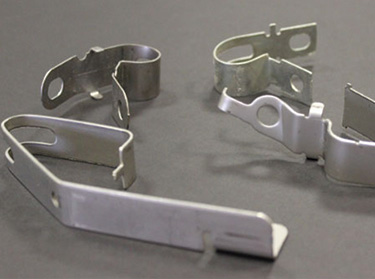
Custom metal brackets and bracketry produced by Four-Slide Technology, Inc.

Where Brackets & Bracketry Commonly Fit

Brackets are commonly used where assemblies require stable mounting, reinforcement, controlled positioning, shielding, routing support, or repeatable attachment within larger systems.

Programs may support chassis systems, routing assemblies, shielding structures, cooling-system supports, enclosure mounting, harness support, or structural reinforcement applications.

  • Mounted supports
  • Chassis brackets
  • Shielding brackets
  • Cooling-system supports
  • Routing hardware
  • Enclosure mounting
  • Structural reinforcement
  • Harness supports

What Engineers Usually Need To Confirm During Review
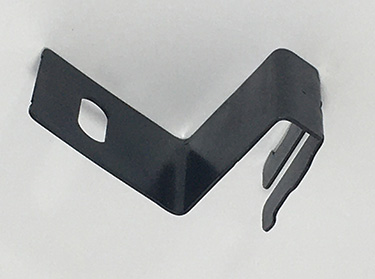
Detail view of formed metal bracket with mounting features

Bracket review often focuses on mounting geometry, offsets, hole locations, tabs, embosses, material thickness, assembly interaction, load expectations, and downstream installation behavior.

Programs may also involve shielding requirements, welded features, hardware insertion, packaging considerations, or customer-specific assembly expectations.

  • Materials, Thicknesses & Surface Finishes
  • Hole Patterns, Tabs & Mounting Features
  • Secondary Operations & Assembly Integration
  • Production Volumes & Tooling Strategy
  • Packaging & Delivery Requirements

Questions That Often Affect Bracket Quote Review

Bracket programs may involve carbon steel, stainless steel, aluminum, specialty alloys, and selected finishes depending on corrosion resistance, structural requirements, environmental exposure, and appearance expectations.

Material selection often affects manufacturability, tooling direction, and long-term durability.

Bracket geometry may include pierced features, tabs, slots, offsets, embosses, locating details, mounting interfaces, and formed support structures selected around installation repeatability and mating-part interaction.

Geometry review often affects tooling strategy and downstream installation behavior.

Bracket programs may involve secondary forming, welding, hardware insertion, fastening, or integration into larger assemblies when that improves production flow or downstream installation efficiency.

Assembly integration often affects fixture planning, inspection requirements, and packaging coordination.

Common Questions About Bracket Applications

What types of applications commonly use formed brackets?

Formed brackets are commonly used for mounting, positioning, reinforcement, shielding, routing support, and assembly integration across transportation, industrial, electrical, and equipment applications.

Can brackets be integrated into assemblies or welded subassemblies?

Yes. Depending on the application, bracket programs may involve secondary forming, welding, hardware insertion, fastening, or assembly integration.

What information is typically helpful during quote review?

Drawings, mounting conditions, load expectations, material requirements, annual volume, finish specifications, and assembly interaction details all help support manufacturability review.

Bracket Support Guides

Need The Actual Bracket Reviewed?

Send the drawing, mounting interface, and production context so the actual bracket application can be reviewed directly.