Material & Coating Decisions That Affect Retention Performance

Material, coating, and environmental decisions often affect retention force, spring behavior, corrosion resistance, abrasion performance, conductivity, and long-term clip stability throughout the life of the assembly.

This guide focuses on the environmental and retained-medium conditions that commonly influence clip and clamp material selection.
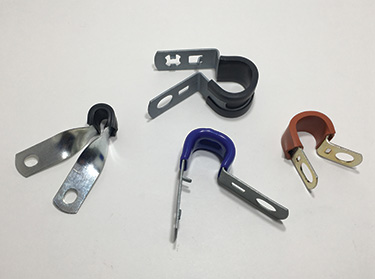
Detail view of formed metal clips and clamps

What Usually Drives Material & Coating Selection

Material selection is often tied to retained-medium interaction, vibration exposure, corrosion risk, spring recovery, temperature range, conductivity requirements, and long-term durability expectations.

The review process typically balances manufacturability, retention performance, coating compatibility, environmental exposure, and downstream assembly interaction.

  • retained hose, tube, or harness material
  • vibration and duty-cycle exposure
  • temperature range
  • salt, moisture, and chemical exposure
  • appearance or finish expectations
  • required spring recovery

Where Coatings & Surface Protection Matter Most
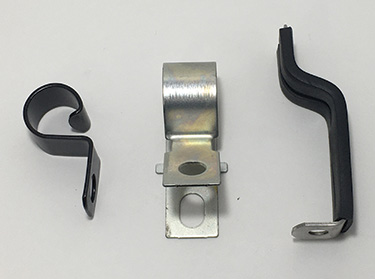
Metal clips and clamps produced by Four-Slide Technology, Inc.

Finish decisions are often driven by corrosion exposure, conductivity needs, abrasion interaction, appearance expectations, environmental sealing, or downstream customer requirements rather than appearance alone.

Plating systems, coatings, stainless selection, and conductive finishes may all affect manufacturability, installation behavior, and long-term service performance.

  • zinc or corrosion-resistant plating
  • stainless selection
  • conductive or non-conductive surfaces
  • wear against retained components
  • customer finish specifications

Questions That Usually Change The Material Recommendation

Some clip programs depend on controlled spring force and retention recovery after installation. Material temper, thickness, geometry, and retained-medium interaction all influence long-term retention behavior.

Spring-performance requirements often affect both tooling strategy and material selection.

Environmental exposure may quickly change the material and finish recommendation. Salt spray, moisture, chemicals, fluids, heat, and outdoor service conditions may justify stainless materials or more protective surface treatments.

Corrosion review is typically connected to both service life and retained-medium interaction.

The retained hose, tube, harness, or shielding system may influence which base material or finish remains appropriate when abrasion, conductivity, marking, galvanic interaction, or long-term wear are concerns.

Material compatibility review helps support both retention performance and downstream durability.

Common Questions About Clip Materials & Coatings

Are stainless clips always the best answer for corrosion?

Not automatically. Stainless may be the right path in some environments, but plating systems, coatings, retained-medium interaction, and cost targets all need to be reviewed together.

Can finish requirements be reviewed before the geometry is final?

Yes. Early finish discussion can help avoid geometry decisions that later conflict with corrosion, conductivity, or service-life requirements.

What should be sent for a material review?

The most useful inputs are the drawing or concept, retained-medium details, operating environment, required finish or compliance notes, and any known durability concerns.

Need A Direct Product Review?

If the part is already defined, send the retained diameters, mounting details, and environment so the actual configuration can be reviewed.