Fastener Applications & Design Considerations
- Home
- Products
- Assorted Fasteners & Custom Components
- Applications & Design Considerations
Where Custom Fastener Applications Usually Require More Installation Detail
Custom fastener applications often require more review once installation conditions, retention requirements, packaging constraints, and long-term service expectations begin shaping the design.
This guide focuses on the assembly and installation factors that commonly affect custom-component manufacturability and quote review.
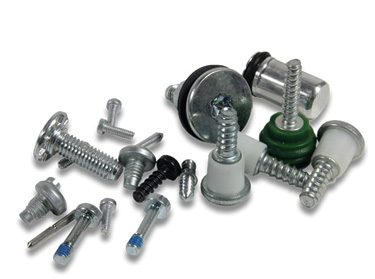
Where Custom Components Commonly Fit
Custom fasteners and specialty formed components are commonly used where assemblies require application-specific geometry, integrated functionality, controlled retention, or installation behavior that standard hardware cannot support efficiently.
Programs may support specialty retainers, routing hardware, integrated mounting systems, spring-loaded features, formed hangers, alignment components, or multi-function formed parts.
- Specialty retainers
- Routing hardware
- Integrated mounting features
- Formed hangers
- Spring-loaded retainers
- Custom fastening hardware
- Alignment features
- Protective formed components
What Engineers Usually Need To Confirm During Review
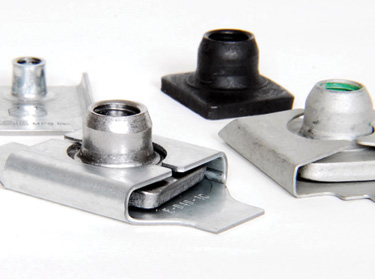
Custom component review often focuses on geometry constraints, integrated bends, retained-part interaction, installation sequence, spring behavior, mounting conditions, environmental exposure, and downstream assembly interaction.
Programs may also involve vibration exposure, routing control, integrated functionality, packaging constraints, or customer-specific installation expectations.
- Integrated Features & Multi-Function Geometry
- Materials, Thicknesses & Surface Finishes
- Prototype & Validation Support
- Secondary Operations & Assembly Integration
- Production, Packaging & Documentation Support
Questions That Often Affect Custom Component Quote Review
Custom formed components often combine retention, mounting, alignment, routing, shielding, or protective functions into one geometry selected around the actual assembly constraint rather than a standard hardware category.
Integrated geometry may affect tooling strategy, installation behavior, and downstream assembly efficiency.
Programs commonly evaluate materials and finishes around strength, stiffness, corrosion resistance, spring behavior, retained-part interaction, conductivity, and long-term durability requirements.
Material selection often affects manufacturability, installation performance, and production stability.
Early concept review, prototype samples, and validation work may help refine geometry, interface conditions, manufacturability, installation behavior, and tooling strategy before production commitments are finalized.
Prototype review often helps confirm assembly interaction and long-term retention performance.
Common Questions About Custom Fastener Applications
Programs may include specialty retainers, hangers, routing hardware, integrated mounting components, spring-loaded features, and other formed metal parts designed around specific assembly requirements.
Yes. Many custom formed components are developed to combine retention, mounting, alignment, routing, or protective features into a single integrated geometry.
Drawings, packaging constraints, retained-part details, material requirements, annual volume, and assembly interaction information all help support manufacturability review.
Fastener Support Guides
Need The Actual Fastener Reviewed?
Send the installation method, retained conditions, and environment so the actual fastener application can be reviewed directly.