Four-Slide Program Support From Review Through Production

Four-slide programs often require support beyond the initial process-fit question. Tooling timing, prototype validation, inspection planning, secondary operations, and production readiness all affect how the program moves forward.

This guide focuses on how four-slide stamping support carries through active program development, launch preparation, and repeat production manufacturing.
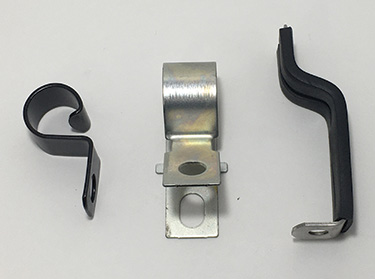
Formed metal components that illustrate four-slide stamping capability

Where Four-Slide Support Becomes Program-Critical

Four-slide support becomes most important once geometry, material behavior, tooling direction, and production timing begin affecting the manufacturing path.

At this stage, the program may need coordination around prototype samples, tooling refinement, dimensional expectations, inspection planning, secondary operations, and long-term production continuity.

  • Tooling timing and readiness
  • Prototype and sample review
  • Material and springback behavior
  • Inspection and validation planning
  • Secondary operation requirements
  • Production launch expectations

What Usually Needs To Be Clarified Before Launch

Formed metal components that illustrate four-slide stamping capability

As a four-slide program develops, the review usually shifts from basic geometry fit into more specific production questions involving tooling strategy, revision control, validation needs, packaging, and downstream handling.

Customers may provide updated drawings, prototype feedback, material requirements, annual volume, inspection expectations, or assembly constraints that affect the manufacturing path.

  • Part Geometry & Bend Progression
  • Prototype, Tooling & Launch Considerations
  • Material & Production Context

Four-Slide Program Review Topics

Part geometry and bend progression affect tooling design, forming sequence, repeatability, and the ability to hold the required shape through production.

Program support may include reviewing bend access, formed features, spring behavior, material movement, and whether geometry changes are needed before tooling commitment.

Prototype and launch planning may include sample builds, tooling refinement, geometry validation, assembly-fit review, inspection planning, and production-readiness checks.

The objective is to make sure prototype findings carry forward into a stable production path rather than remaining isolated sample activity.

Material selection, temper, finish requirements, annual volume, and secondary operations can all affect four-slide tooling strategy and production stability.

These factors should be reviewed before launch so forming expectations, inspection needs, and long-term production requirements remain aligned.

Common Questions About Four-Slide Program Support

What kinds of parts are commonly reviewed for four-slide manufacturing?

Clips, clamps, brackets, wire forms, spring-like features, contacts, and compact formed metal components are common candidates when the geometry aligns with the process.

Is process-fit review possible before the part design is fully finalized?

Yes. Early review often helps determine whether geometry, material assumptions, and production expectations align with four-slide before tooling investment begins.

Does four-slide review connect into prototype and production launch planning?

Yes. Process evaluation often connects directly into tooling, prototype validation, inspection planning, and launch-related manufacturing support.