Commercial Vehicles
- Home
- Industries
- Commercial Vehicles
Formed Hardware For Commercial-Vehicle Routing & Mounting
Commercial-vehicle programs often need routing and mounting hardware that installs consistently, survives vibration, and supports mixed service conditions across fleet use.
Even small formed parts can affect assembly speed, serviceability, and long-run durability when they sit inside routing or support systems.
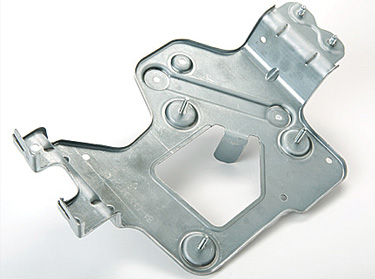
Where Commercial-Vehicle Programs Usually Need More Review
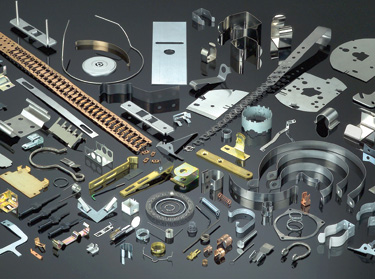
The pressure points are usually packaging, routing stability, exposure, and whether the hardware continues to install cleanly across repeat production.
That is where early manufacturability review can help prevent small hardware from becoming a larger assembly problem later.
Typical Commercial-Vehicle Component Roles
Hardware used where routing, mounted stability, repeatable installation, and fleet durability all matter.
- routing clips and clamps
- mounted brackets and supports
- cover and shield hardware
- formed retention components
- line-ready parts for repeat assembly
Why Early Component Review Matters
Even small formed parts influence assembly quality, service access, and long-term durability in commercial vehicle applications.
A Better Fit When Installation Repeatability Matters
Commercial-vehicle work usually benefits when the part is reviewed in the context of installation, service access, and long-run use instead of as an isolated print.
That helps align the part with both manufacturability and fleet-level durability expectations.
Common Questions About Commercial-Vehicle Component Support
Routing clips, brackets, supports, and formed hardware used around electrical, fluid, shield, and mounted assemblies are common review items.
Installation repeatability, vibration, service exposure, and long-run durability are usually the main drivers.
Yes. Early review often helps settle routing and support issues before the program hardens.
Discuss Commercial-Vehicle Component Requirements
Send the drawing, routing context, and service expectations so the commercial-vehicle application can be reviewed directly.