Energy & Power Systems
- Home
- Industries
- Energy & Power Systems
Formed Hardware For Energy & Power-System Support
Energy and power-system programs often need small metal hardware that can hold up in exposed or demanding service conditions while still installing cleanly and consistently.
Routing, mounting, shielding, and support hardware in these systems usually needs a better environment screen than generic commercial parts receive.
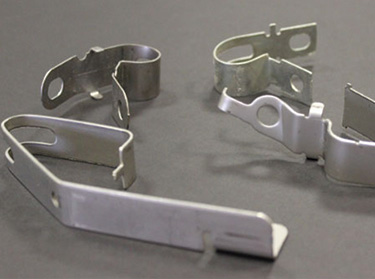
Where Energy Programs Usually Need More Review
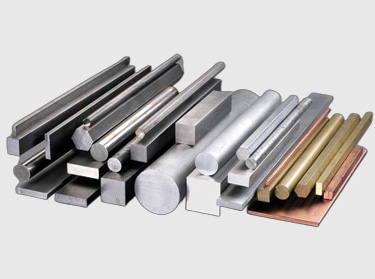
The review usually centers on exposure, service life, corrosion resistance, and whether the part can be produced in a way that supports stable long-term use.
That makes material, finish, and production-path discussion important early.
Typical Energy & Power-System Component Roles
Hardware used where routing, mounting, environmental resistance, and stable installation all matter in power-related systems.
- routing and support clips
- mounted brackets and shields
- formed retention hardware
- durable supports for exposed systems
- production-ready hardware for long-life use
Why Early Component Review Matters
Whether the application is conventional power equipment or newer energy-storage hardware, secure routing and stable mounting help reduce downstream complexity.
Support Built Around Service Conditions
Energy-system hardware is usually reviewed best when the service environment and long-term expectations are considered at the same time as the geometry.
That helps align material, finish, and production strategy before the part moves too far into release.
Common Questions About Energy Component Support
Common examples include routing clips, supports, brackets, shields, and formed hardware used around electrical and mounted power-system assemblies.
Exposure, corrosion resistance, service life, and installation stability usually shape the review more than appearance alone.
Yes. Early review is often the best time to confirm whether the material and protection path match the environment.
Discuss Energy-System Component Requirements
Send the drawing, environment, and service expectations so the power-system application can be reviewed directly.